APPOINTMENT FORM

Professional Hair Transplant Service

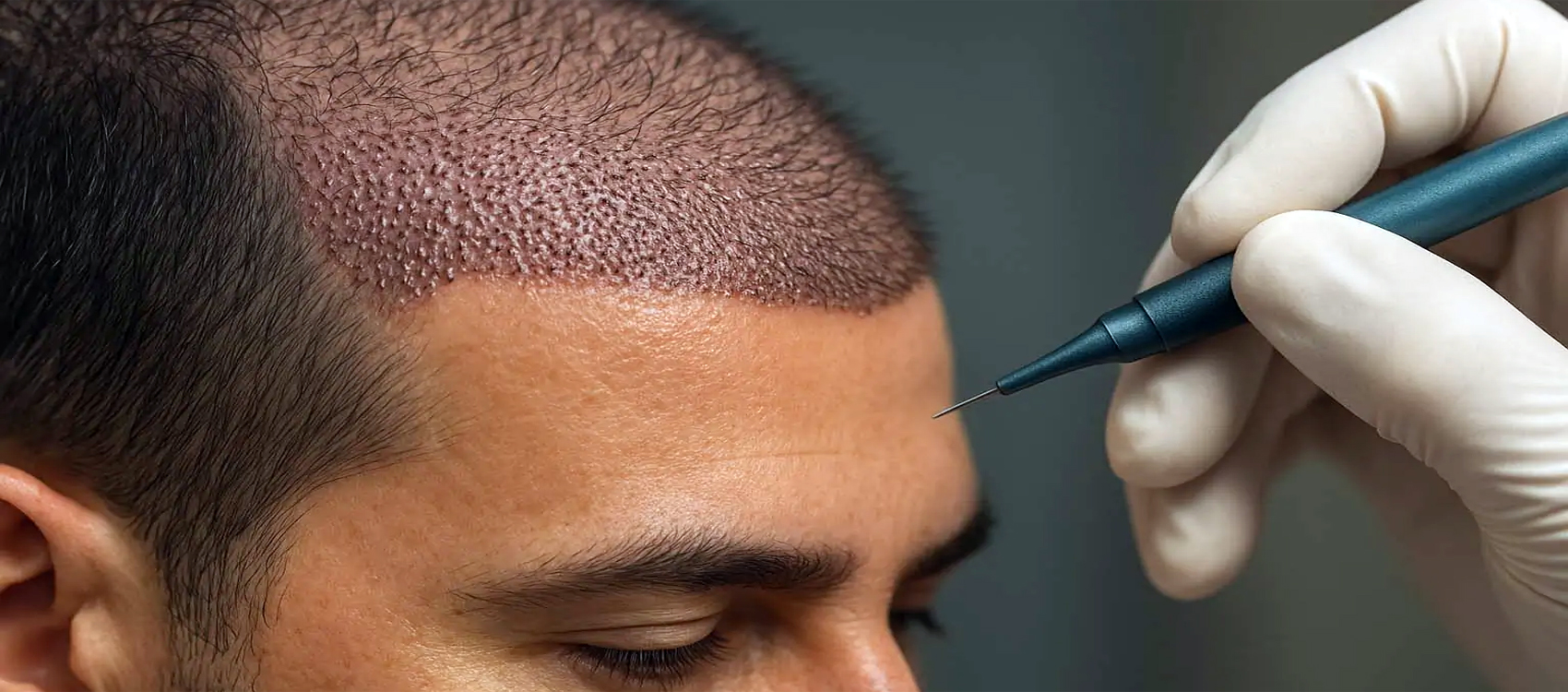
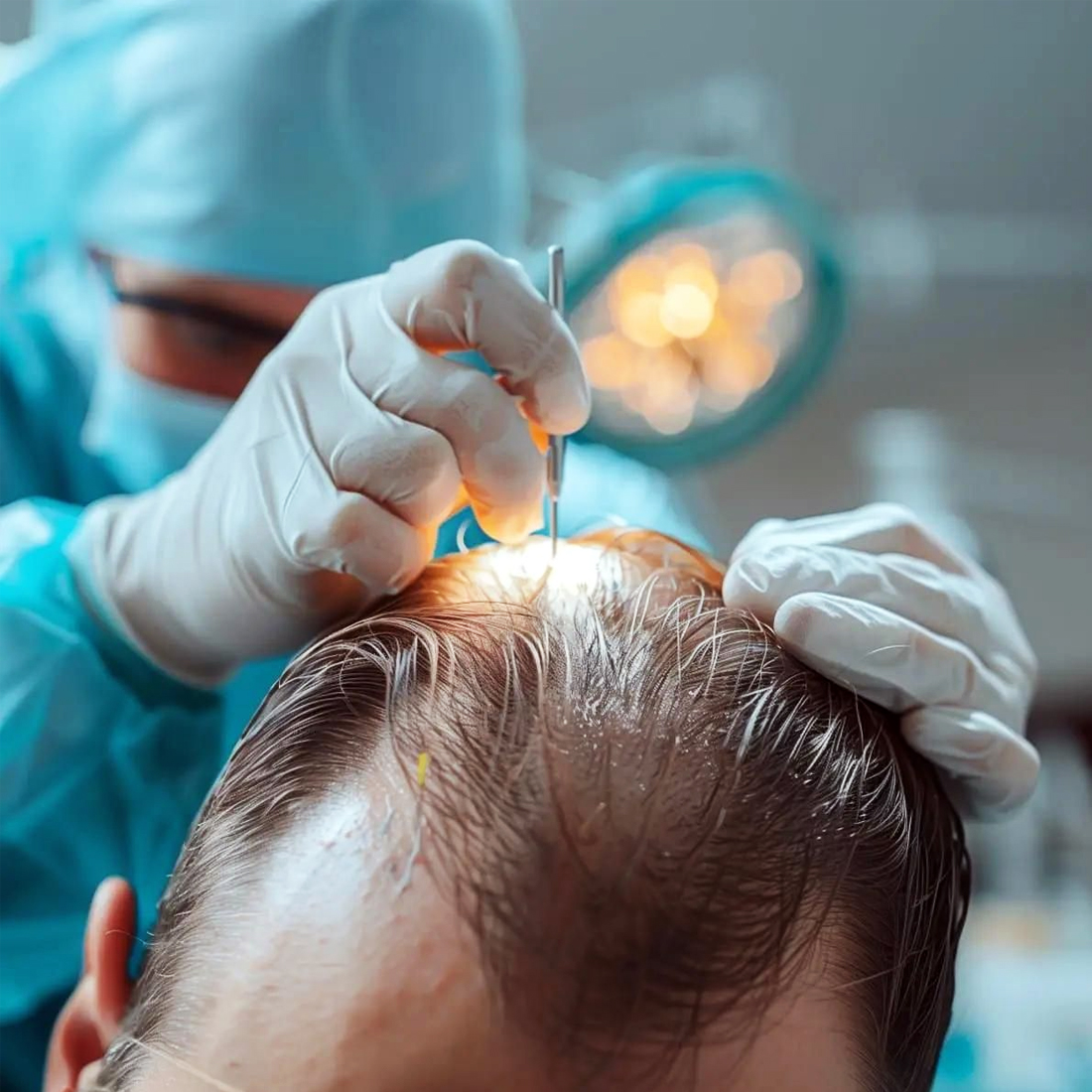
Several methods are used during the hair transplant procedure. The most preferred methods are FUE and DHI. In the FUE option, hair follicles are extracted individually and transplanted into the recipient area. Grafts taken from the donor area using the Micro FUE hair transplant method (in medical terminology, any tissue or organ taken from another part of the body or another donor for transplantation is called a graft) can be transplanted directly to the area where hair transplantation will be performed without classic micro-incision or channel opening. However, this skin area must have hair. Which of the two methods is chosen depends on the person's hair and skin structure. Today, both methods are frequently preferred.

Who Can Have Hair Transplantation?

  • Men experiencing genetic (androgenic) hair loss
  • Women with thinning hair or localized hair loss
  • Individuals whose hair loss process is largely complete
  • Those with sufficient and healthy hair follicles in the donor area (back and sides of the head)
  • Individuals experiencing hair loss due to burns, accidents, or surgical scars
  • Individuals whose hair loss cannot be managed with medical treatment
  • Individuals in suitable general health for hair transplant surgery
  • Individuals with realistic expectations who are well-informed about the procedure

What Should Be Considered After Hair Transplant?

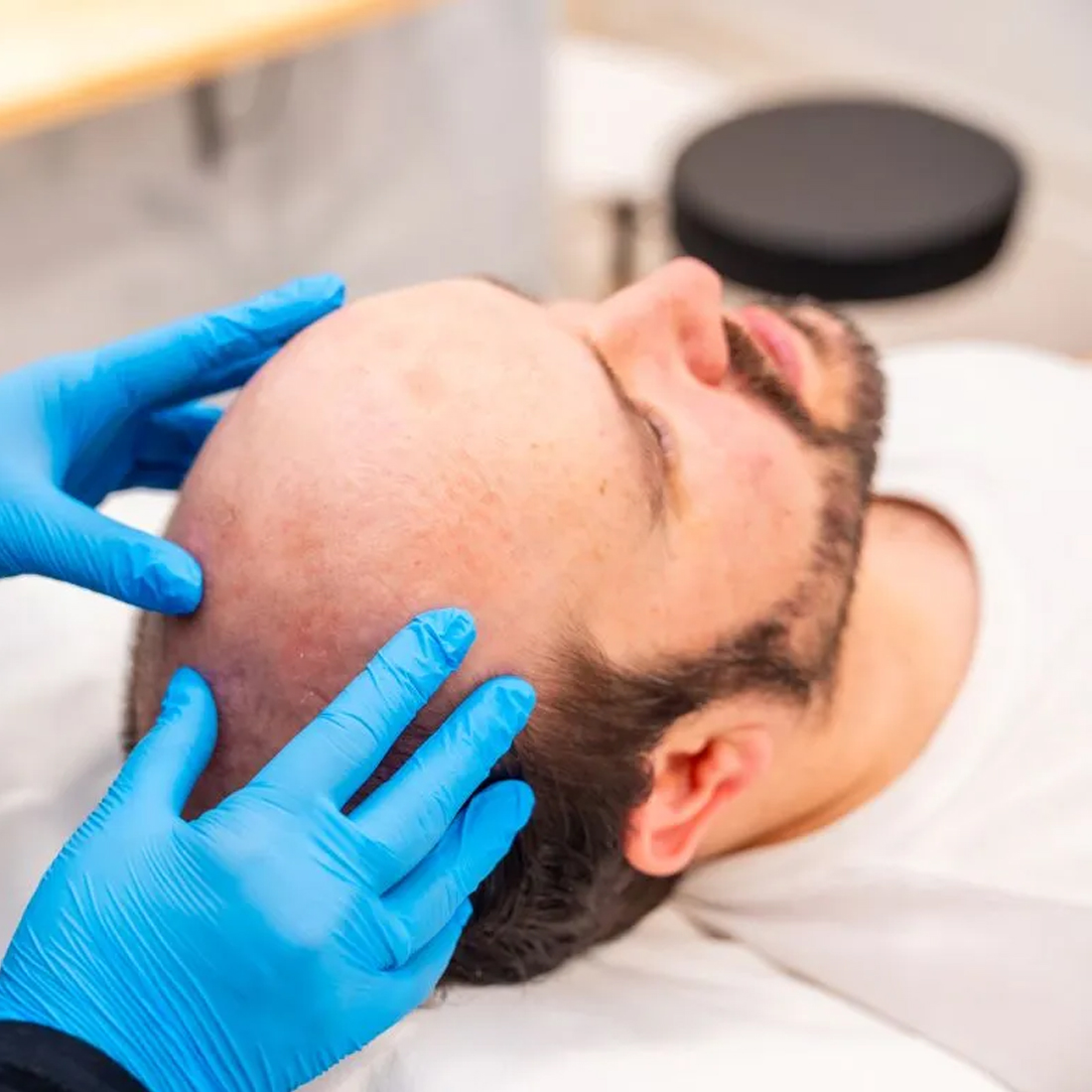
After hair transplant, it is very important to keep the transplanted area as open as possible. This increases the contact of both the transplanted and existing hair follicles with oxygen and fresh air, ensuring healthier nourishment of the tissues. Thanks to increased oxygenation, the scabs that form after the operation heal faster and more naturally. This shortens the wound healing process and increases the retention rate of the hair follicles, resulting in a more successful hair transplant.
hair transplant istanbul
hair transplant nişantaşı

How Should Hair Transplant Aftercare Be Performed?

After a hair transplant operation, it is recommended to keep the transplanted area as open as possible. This practice contributes to healthier tissue healing by increasing the contact of both transplanted and existing hair follicles with oxygen and fresh air. Thanks to sufficient oxygenation, the scabs that form after the operation fall off more quickly and naturally.

Furthermore, leaving the hair uncovered helps maintain the moisture balance of the scalp and reduces the risk of infection. This accelerates the healing process while also increasing the retention rate of the hair follicles. Following the doctor's recommended care instructions is crucial for achieving successful and lasting results.