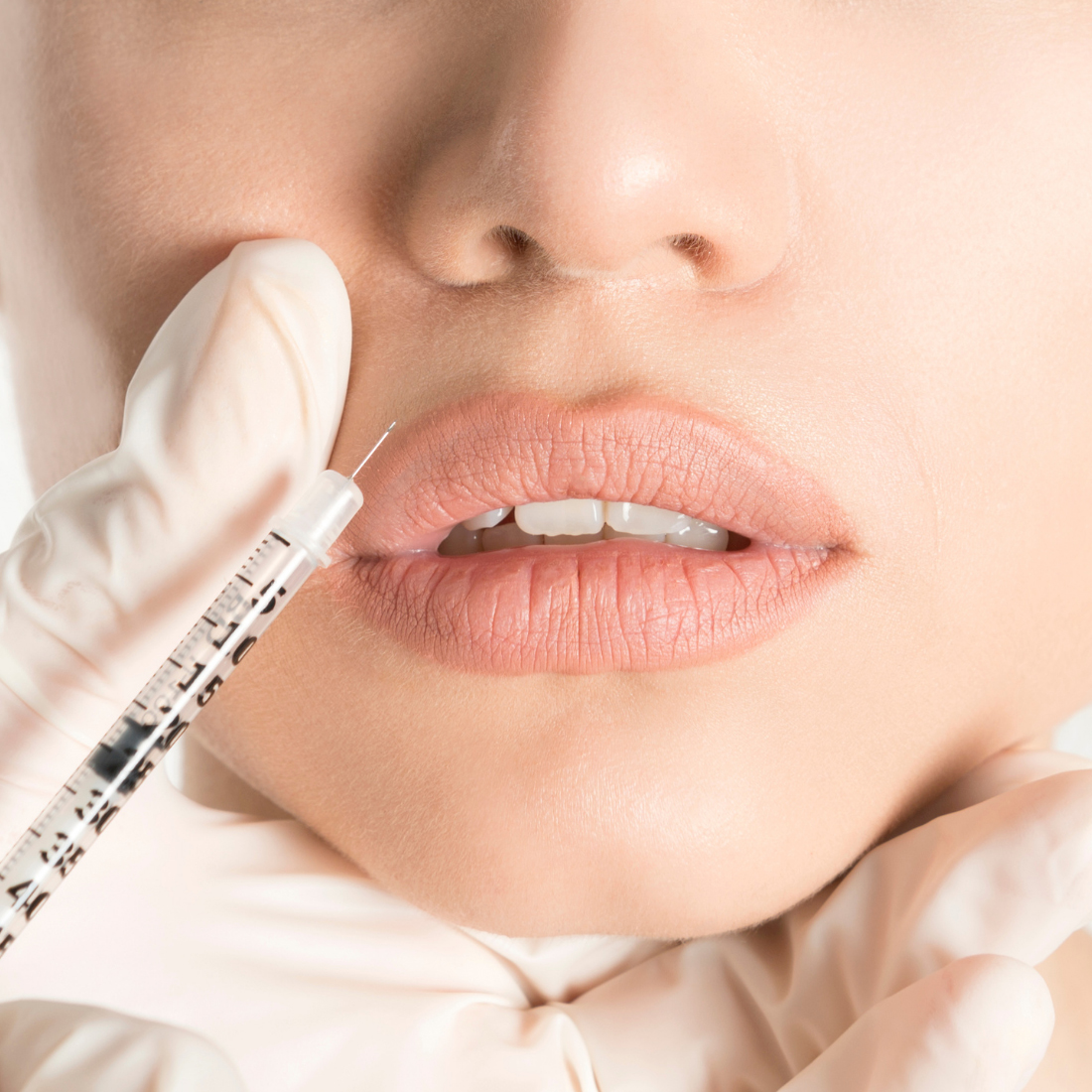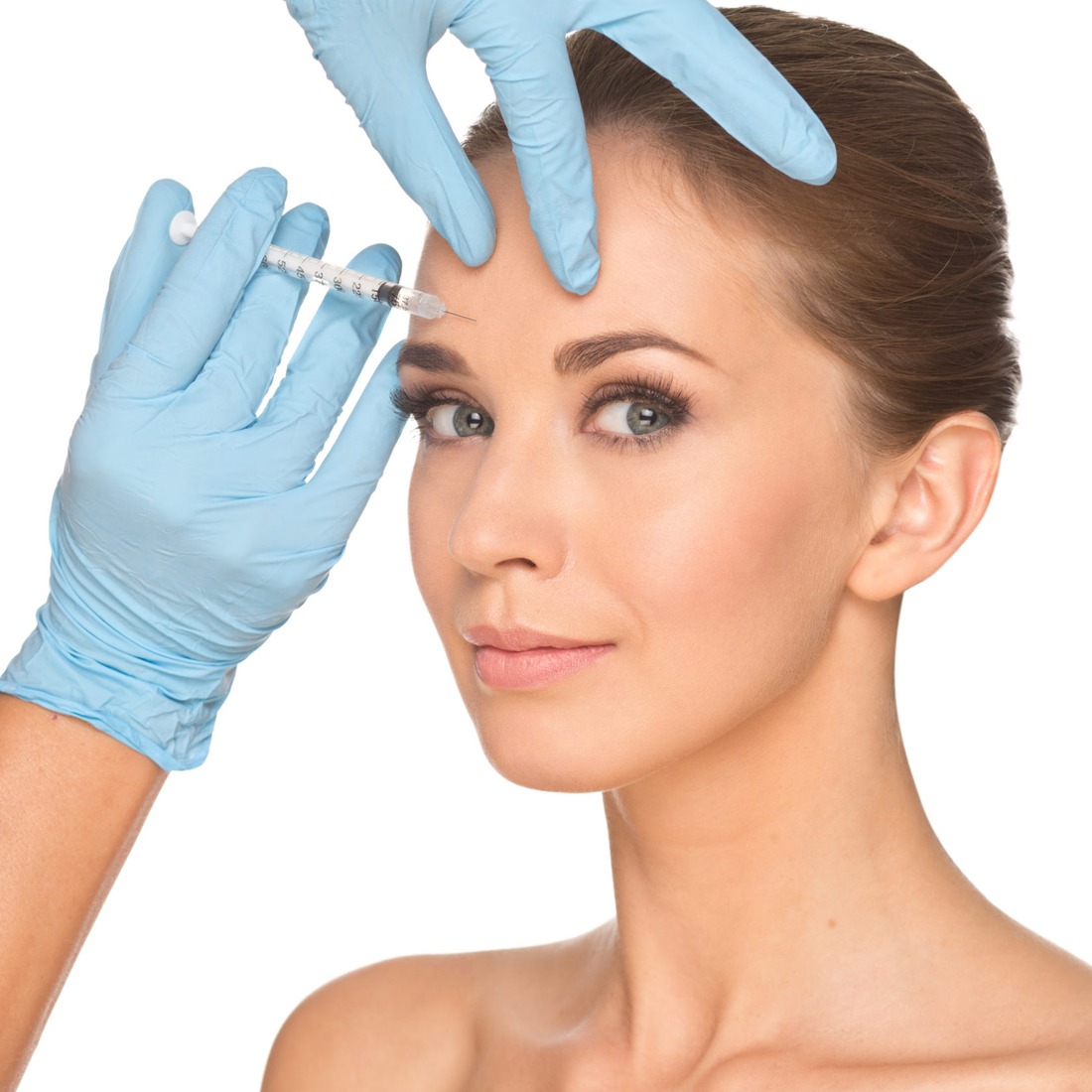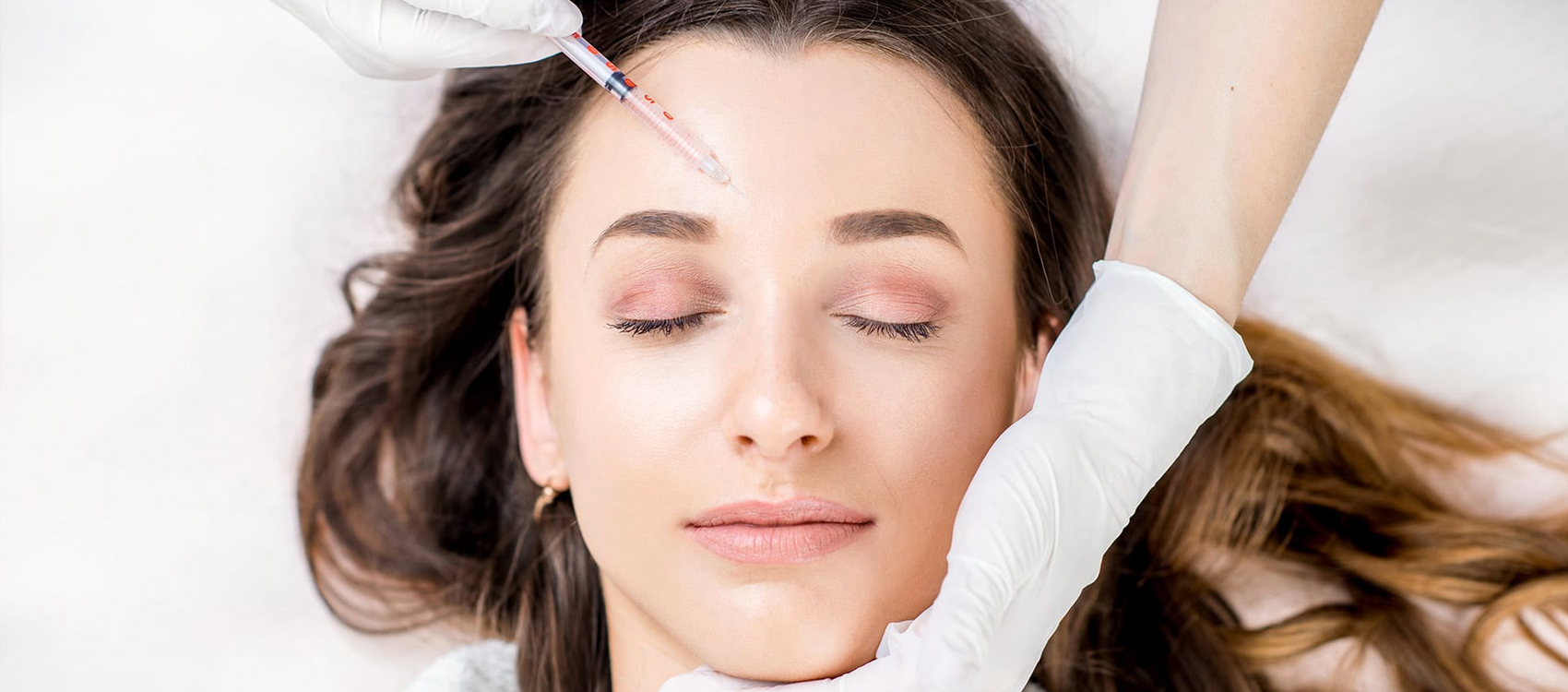
Fine lines and wrinkles seen on the forehead, around the eyes, between the eyebrows, along the sides of the nose, above the lips, around the mouth, and on the neck develop over time as a result of repeated contractions of the facial expression muscles in the face and neck area. Lines between the eyebrows and along the sides of the nose can create an angry appearance, while wrinkles around the eyes and on the forehead may cause a person to look older and more tired. Wrinkles around the mouth can give the face a sad expression.
Botox treatment reduces the appearance of wrinkles by temporarily blocking the contraction of the facial expression muscles in these areas. As a result, tired, angry, or sad facial expressions are softened; the skin appears smoother, and the face gains a younger, more refreshed, and vibrant look. Botox is a non-surgical and effective aesthetic procedure that refreshes facial expression while preserving natural mimics.
Botox (Botulinum toxin) is a toxin derived from the bacterium Clostridium botulinum. It works by blocking the release of chemical substances responsible for nerve transmission at nerve endings, thereby temporarily interrupting the communication between nerves and the muscles or glands they stimulate. When nerve transmission is inhibited, the contraction or secretion function of the affected tissue is reduced or completely stopped.
In aesthetic and cosmetic applications, Botox is used to reduce facial wrinkles caused by repetitive muscle movements, prevent the formation of new wrinkles, and achieve a younger, more rested facial appearance. In addition, it is effectively used in the treatment of excessive sweating (hyperhidrosis) by reducing the activity of sweat glands, and it is also applied as a treatment option for chronic migraine. When administered with the correct dosage and proper technique, Botox offers safe and effective, non-surgical results.
Botox is safely used for both aesthetic and medical purposes in various areas. Its main applications include:
• Wrinkle treatment
• Facial contouring and balancing facial features
• Treatment of excessive sweating (hyperhidrosis)
• Migraine treatment
Approximately three months after a Botox application, movement gradually begins to return in stronger muscles. By the fourth month, weaker muscles also start to regain movement. At the end of six months, the effects of Botox typically wear off completely. To maintain the desired results and ensure continuity of effect, repeat treatments are generally recommended at intervals of 4–6 months.